
Blog

Spring allergies can make bedtime frustrating for both kids and adults. Stuffy noses, congestion, and constant mouth breathing may not seem like a major issue at first, but they can make it much harder to get comfortable and stay asleep through the night. Many parents notice changes this time of year. Children may start snoring more often, sleeping restlessly, or waking up irritable in the morning. Even temporary sleep interruptions can leave people feeling drained long past a sleepless night. If breathing becomes harder during sleep, it usually means your body has a harder time settling into deep, restorative sleep. Allergy season can also make existing sleep-disordered breathing symptoms more noticeable, particularly for people already dealing with snoring or consistent mouth breathing. If you are questioning the root cause of unusual sleep patterns in you or your child, it may be time to take a closer look. At Sleep Better Lexington, our team specializes in helping families better understand and treat the connection between airway health and quality sleep. Through personalized evaluations and custom oral appliance therapy, we offer comfortable, non-invasive solutions designed to support healthier breathing and more restful sleep. If allergy season has your family feeling more tired than usual, it may be worth paying closer attention to nighttime breathing and sleep patterns, and where they are really stemming from. Better sleep often starts with better breathing.
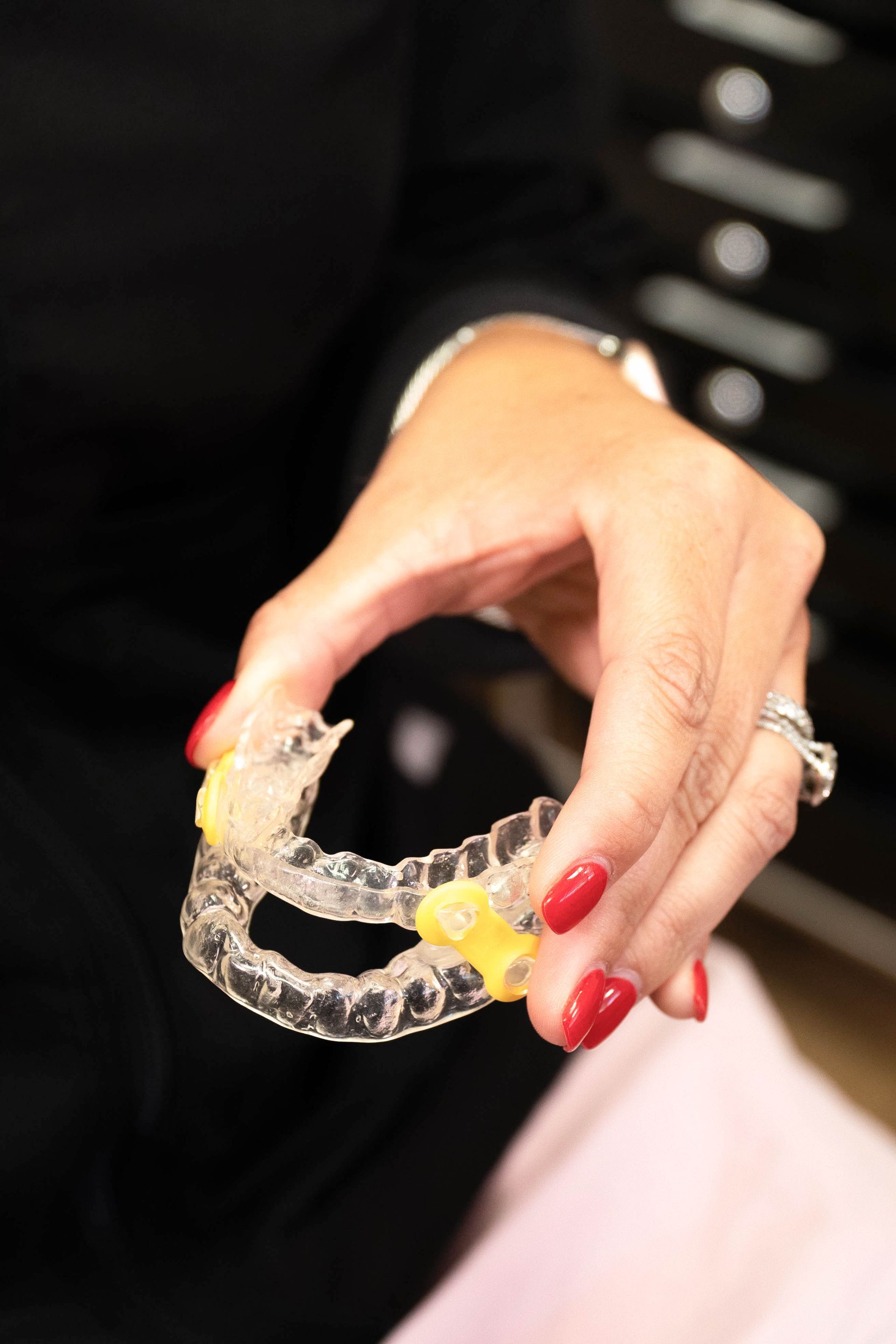
Sleep apnea isn't always easy to identify. Often, subtle signs over time will let you know there are underlying issues in your sleep patterns. Whether it affects a child or an adult, sleep-disordered breathing can quietly impact daily life without being recognized as the root cause. Snoring is one of the most common symptoms, but it is not the only red flag. Frequent mouth breathing, restless sleep, teeth grinding, or sudden waking can all point to disrupted breathing. Some people may notice morning headaches or ongoing fatigue even after a full night of sleep. In children, it may present as irritability, difficulty focusing, or hyperactivity. In adults, it often presents as low energy, brain fog, or trouble staying asleep throughout the night. These symptoms are often linked to an obstructed airway that prevents the body from reaching deep, restorative sleep. When sleep cycles are interrupted, the body misses the recovery it needs for focus, mood, and long-term health. At Sleep Better Lexington, Dr. Trish Takacs and our team specialize in dental sleep medicine and help patients uncover the connection between breathing and sleep. Through personalized evaluations and custom oral appliance therapy, we offer a comfortable, non-invasive solution for both children and adults experiencing sleep-disordered breathing. Experiencing sleep disruptions? Contact Sleep Better Lexington today to start your path to better sleep.
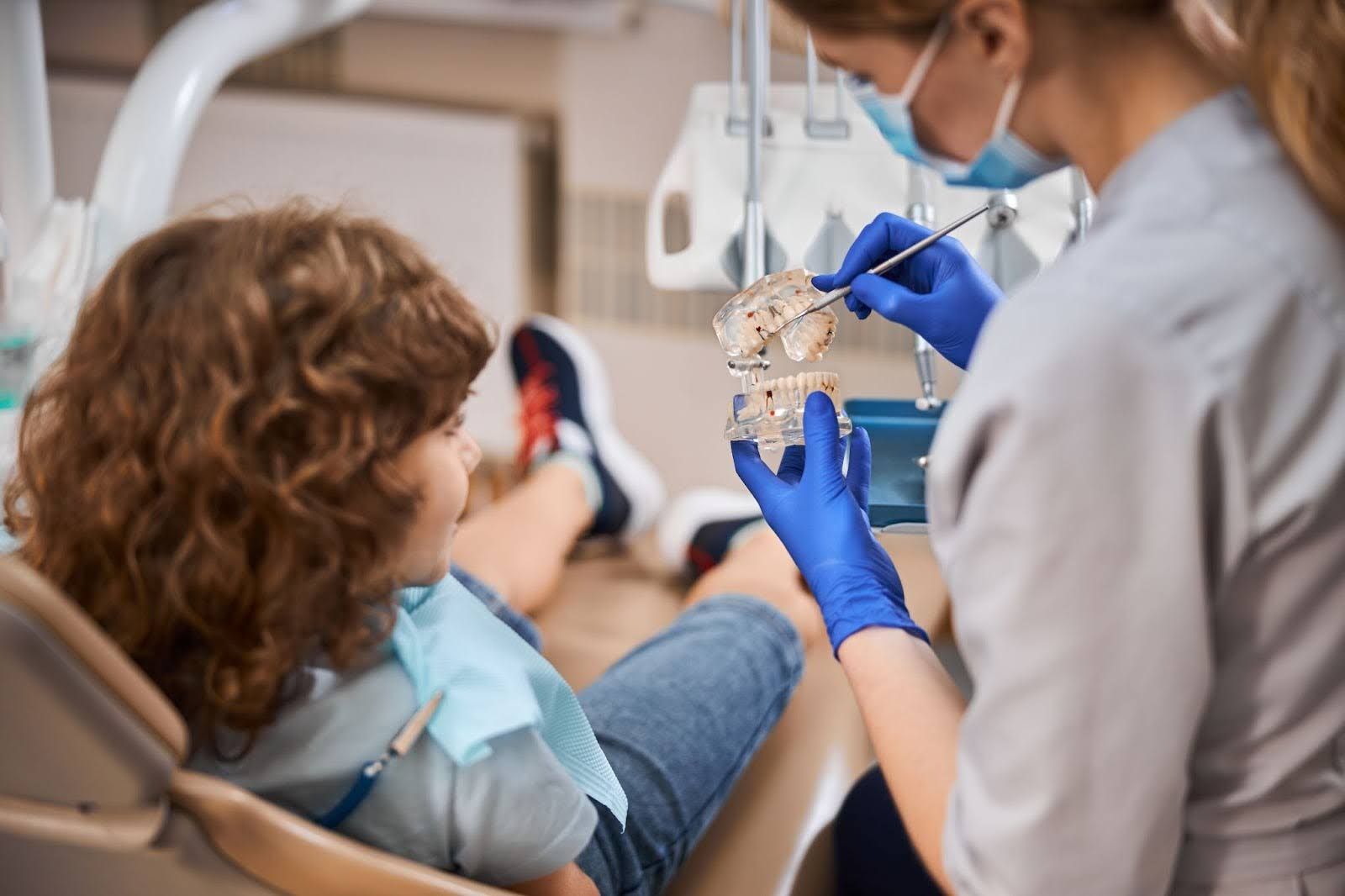
As a parent, it's expected that your little ones will have occasional restless nights, but if the patterns become more frequent, it will be important to start noticing them. Pediatric sleep apnea is a form of sleep-disordered breathing that can quietly affect a child's health, behavior, and development. Recognizing the early signs can help families take action before the problem grows. One of the most common symptoms is frequent snoring in children, especially if it occurs more than half of their nights. You may also notice mouth breathing during sleep, restless movement, teeth grinding, pauses in breathing, or gasping for air. These symptoms often stem from obstructed airways that prevent children from reaching the deep, restorative sleep needed for growth and development. When breathing is restricted overnight, the body works harder to get oxygen to the brain. This interrupts the sleep cycles needed for healthy growth, learning, and emotional regulation. Over time, untreated pediatric sleep apnea can impact both physical development and daily performance. At Sleep Better Lexington, Dr. Trish Takacs and our team help families understand the connection between breathing, sleep, and long-term health. Through comprehensive evaluations and custom oral appliance therapy, we offer gentle, non-invasive treatment designed to support healthy airways and better sleep for children. Recognizing the signs early can make a meaningful difference. Because every child deserves to breathe easily, sleep deeply, and wake up ready to learn, grow, and enjoy the day ahead.

Healthy growth and development for kids depends on more than just nutrition and physical activity. Quality sleep plays an influential role in how the brain develops, learn, and grows. When sleep is disrupted night after night, the effects on the body can extend far beyond the next day.
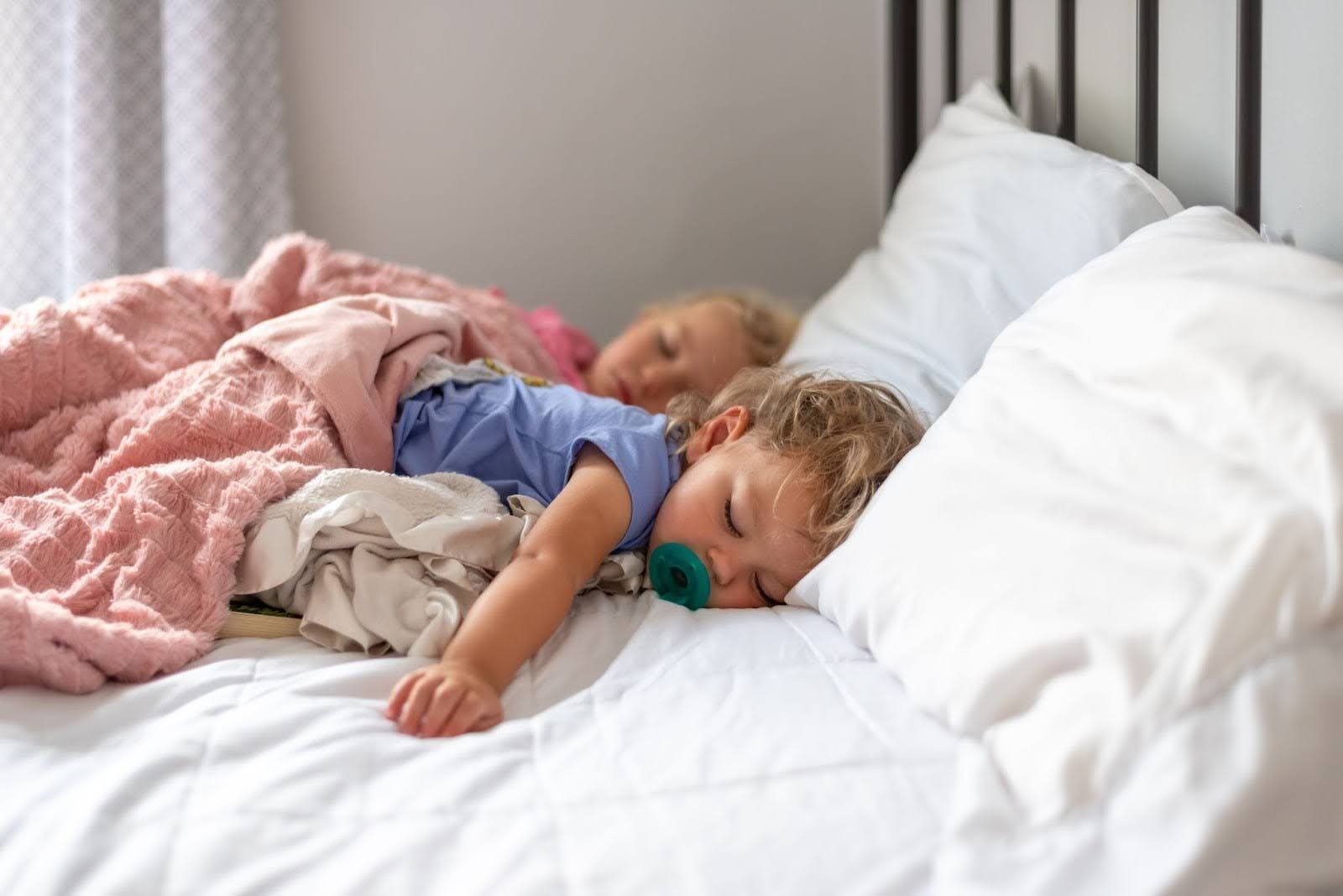
If you notice your child struggling with behavior, focus, or mood consistency, consider examining their sleeping habits. Disrupted sleep patterns can play a much bigger role in your child's daily behavior and development than you might expect.

Traveling for family holiday plans can be exciting for kids, but longer car rides, flights, and changing environments can be a lot for their sleep schedules to handle. As a parent, you want them to enjoy the season without feeling overtired, restless, or overwhelmed, especially when bedtime routines are interrupted.

The holiday season brings excitement, travel, and family gatherings that can easily interrupt your child's sleep routine. As a parent, you want them to enjoy every moment while still getting the rest they need.

Halloween is full of excitement, costumes, activities, and candy. But too much sugar can make it hard for your kids to wind down at night. As a parent, you want your child to enjoy festivities without sacrificing a good night’s sleep.
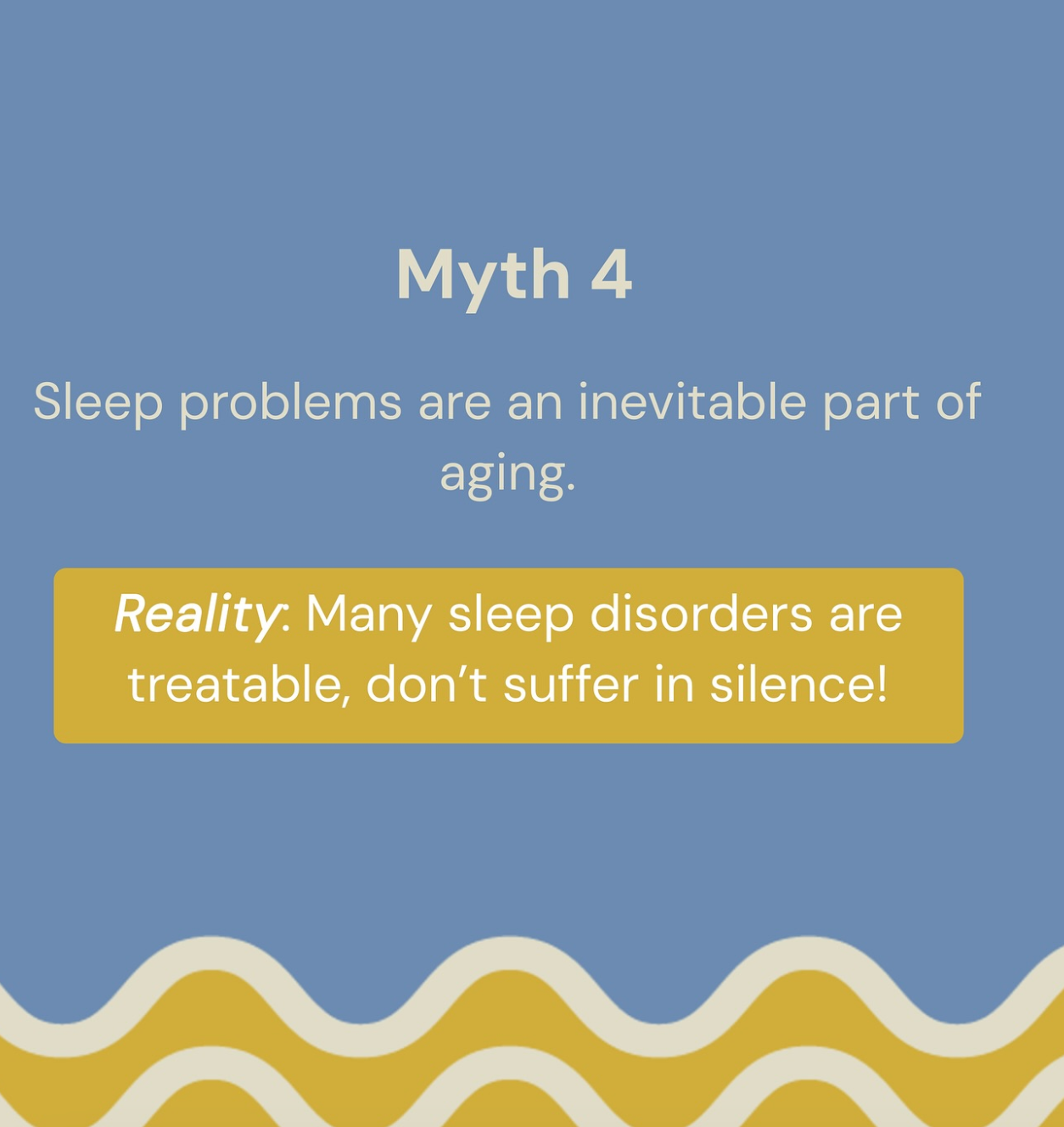
At Sleep Better Lexington, we believe education is key to helping patients take control of their health. Sleep apnea affects millions of Americans, but myths and misunderstandings often prevent people from getting the treatment they need. Let’s clear the air.
Struggling to breathe during sleep might be more than just snoring; it could be a sign of an obstructed airway. At Sleep Better Lexington, we help patients uncover the root causes of poor sleep and find solutions that support long-term sleep health. Here are three key things to know about obstructed airways: